
GST must become an economic partnership, not just tax collection tool: CBIC chief Vivek Chaturvedi
Listen to this article in summarized format
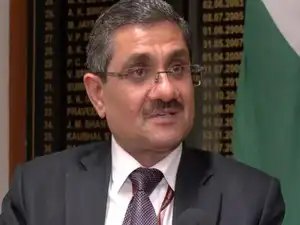 ANI
ANIAddressing an interaction with GST taxpayers and industry representatives in Bengaluru, Chaturvedi said the focus was now shifting towards reducing compliance burdens through a next-generation suite of process reforms recommended by the GST Council.
"Bonafide industries must be nurtured and tax administration must be transformed into an economic partnership," he said.
Chaturvedi noted that while the 56th GST Council meeting focused on rationalising tax rates and reducing the burden across sectors, the 57th meeting had prioritised measures aimed at making compliance easier for honest taxpayers.
Among the key reforms highlighted by him were the proposed withdrawal of arrest provisions under GST law, a higher threshold for prosecution, automated system-driven refunds, fewer manual touchpoints in tax administration, and stricter checks on vehicle inspections. Under the proposals, vehicles can be inspected only on the basis of specific intelligence and with authorisation from an officer not below the rank of Joint Commissioner, and only in the originating and destination states.
The CBIC chief also outlined plans for centralised administration of GST taxpayers under the Central government and the introduction of faceless assessment. He said a draft framework for the initiative would soon be placed in the public domain for stakeholder comments.
Chaturvedi, along with Sanjay Mangal, Member (GST), CBIC, interacted with around 250 taxpayers and representatives from industry bodies, including MSMEs, manufacturers, service providers, exporters, start-ups and e-commerce firms. Representatives from organisations such as KASSIA, FKCCI, ASSOCHAM, FIEO, CREDAI, BCIC, ICMAI and eMERG attended the event held at the Central Revenue Building in Bengaluru.
Kajal Singh, Chief Commissioner, Bengaluru CGST Zone, Vipul Bansal, Commissioner of Commercial Taxes, Karnataka, and senior officials from the Central and State GST administrations were also present.
During the session, CBIC and state tax officials responded to industry concerns and sought feedback on future reforms.
Industry representatives welcomed the Council's move to decriminalise certain GST offences, including the proposed removal of arrest powers under the law. They said the reforms would help build a trust-based tax administration, improve working capital flows and enhance ease of doing business.